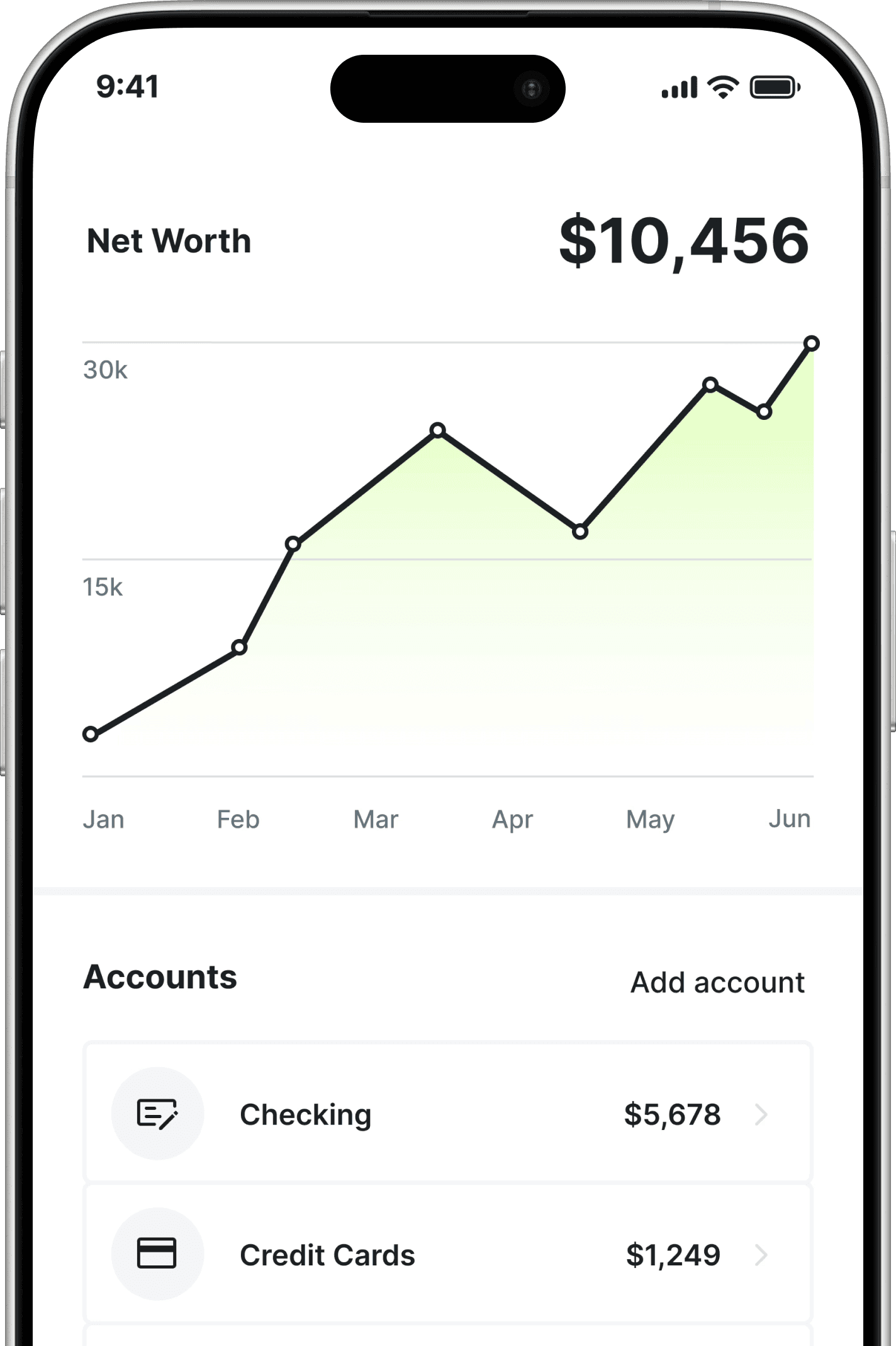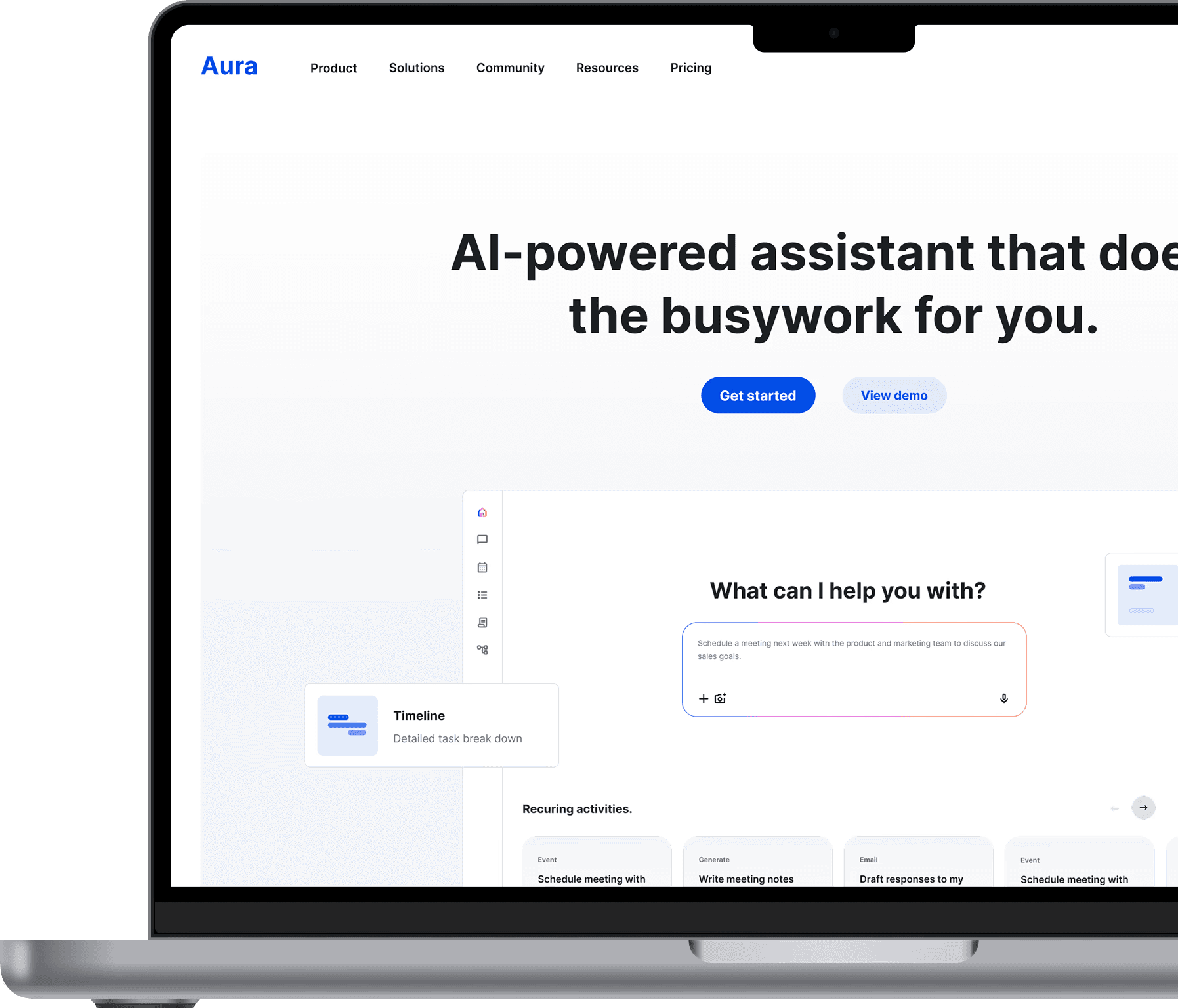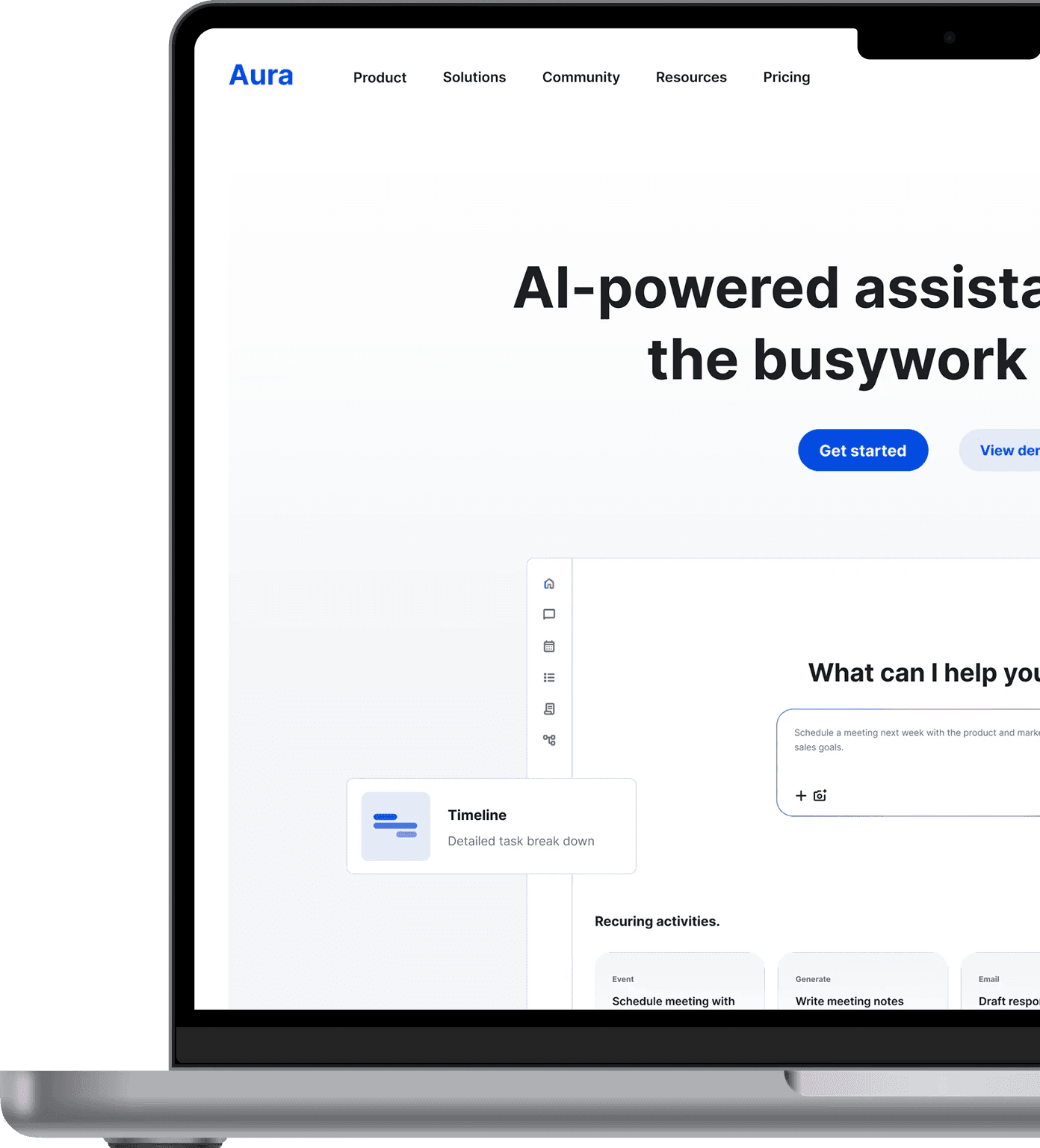
Overview
Setting the stage.
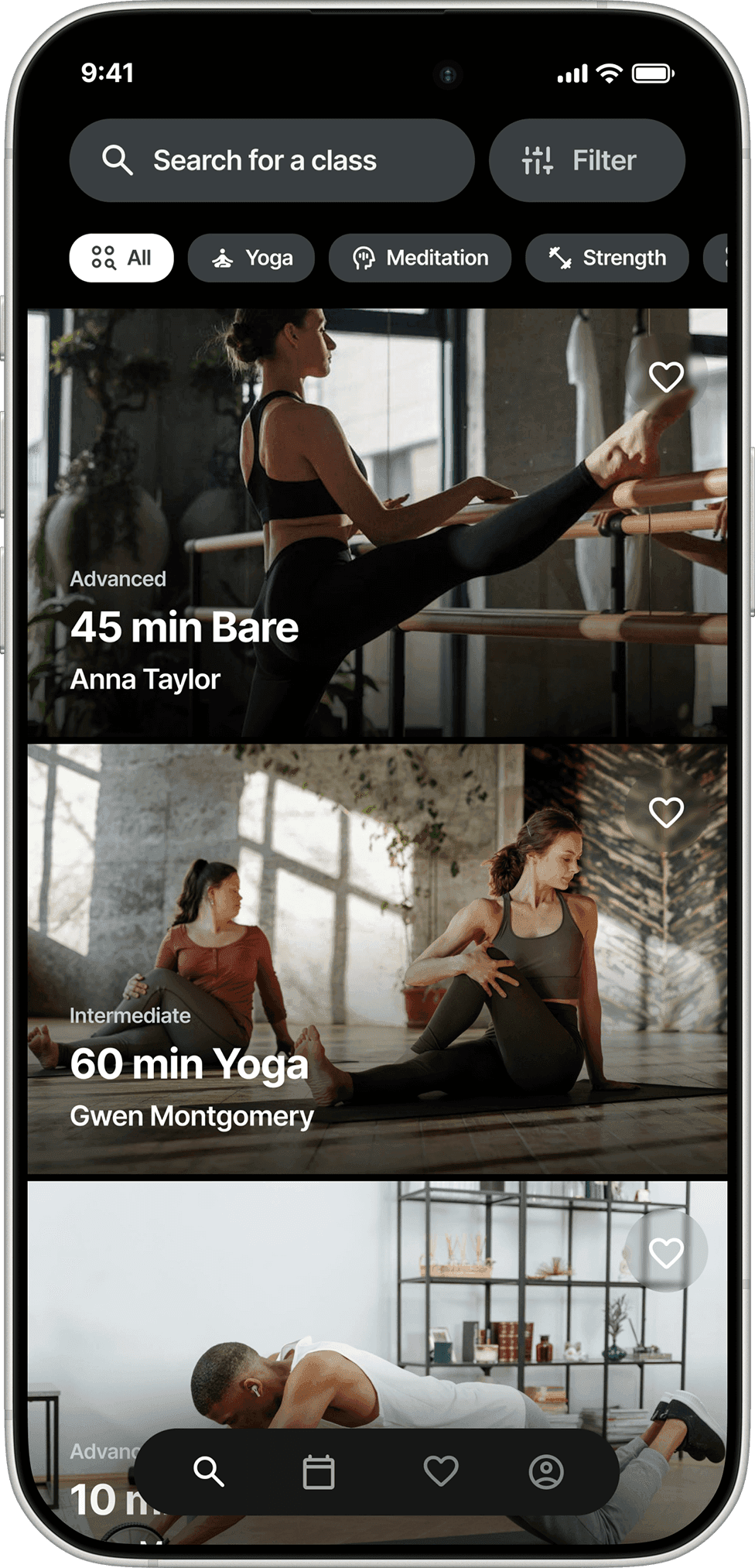
FlowFit explores how thoughtful product design can reduce decision fatigue and help people stay consistent with movement in real, imperfect routines.
My role.
As Senior Product Designer, I led the work from discovery through delivery, shaping messy user needs into clear flows and a cohesive visual system.
Team & tools.
I worked alongside a Product Manager, engineers, and a brand designer, using Figma and FigJam, to align decisions early and iterate with confidence.
Project scope.
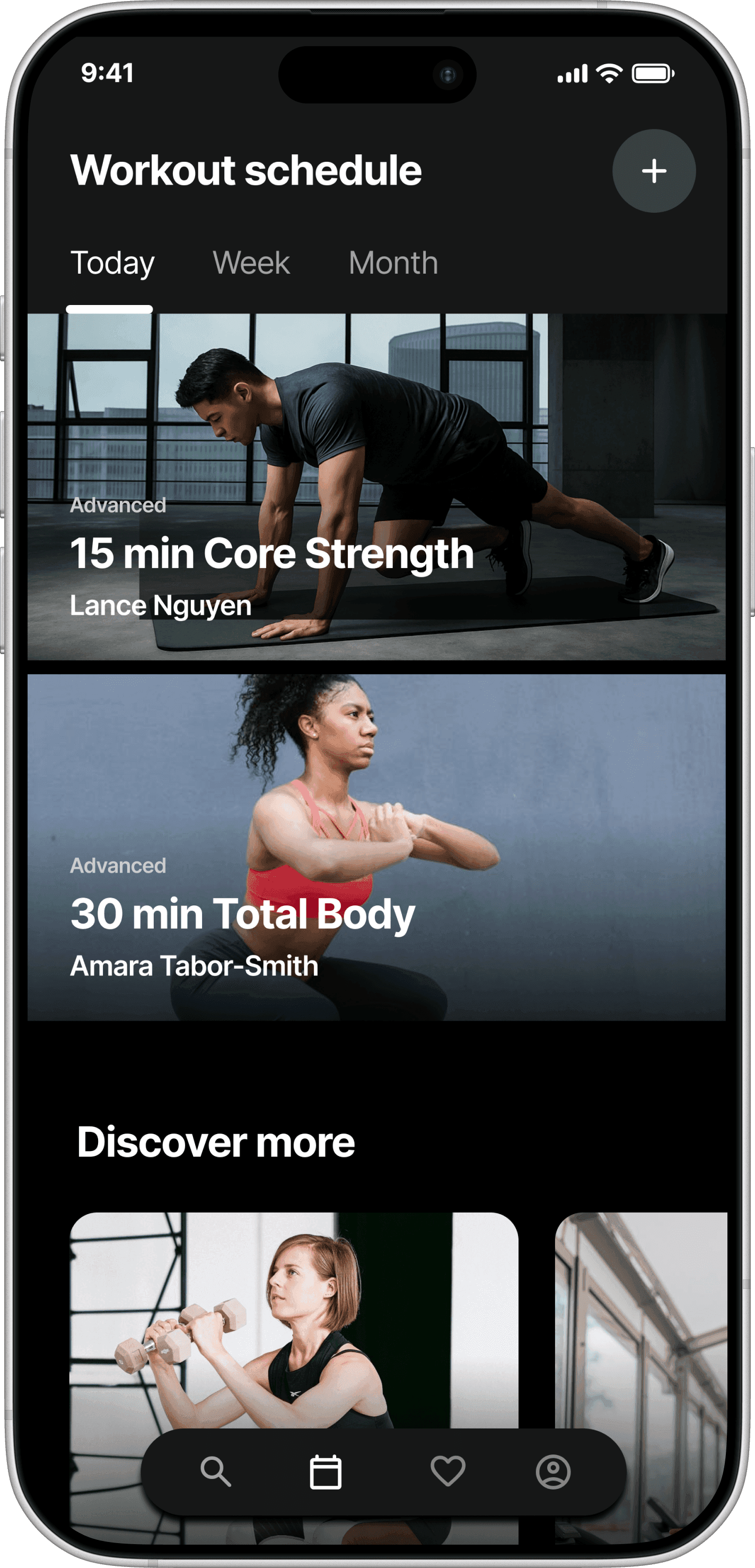
Over 10 weeks, the work centered on simplifying class discovery and planning, evolving key user journeys through iterative testing into production-ready designs.
My Impact
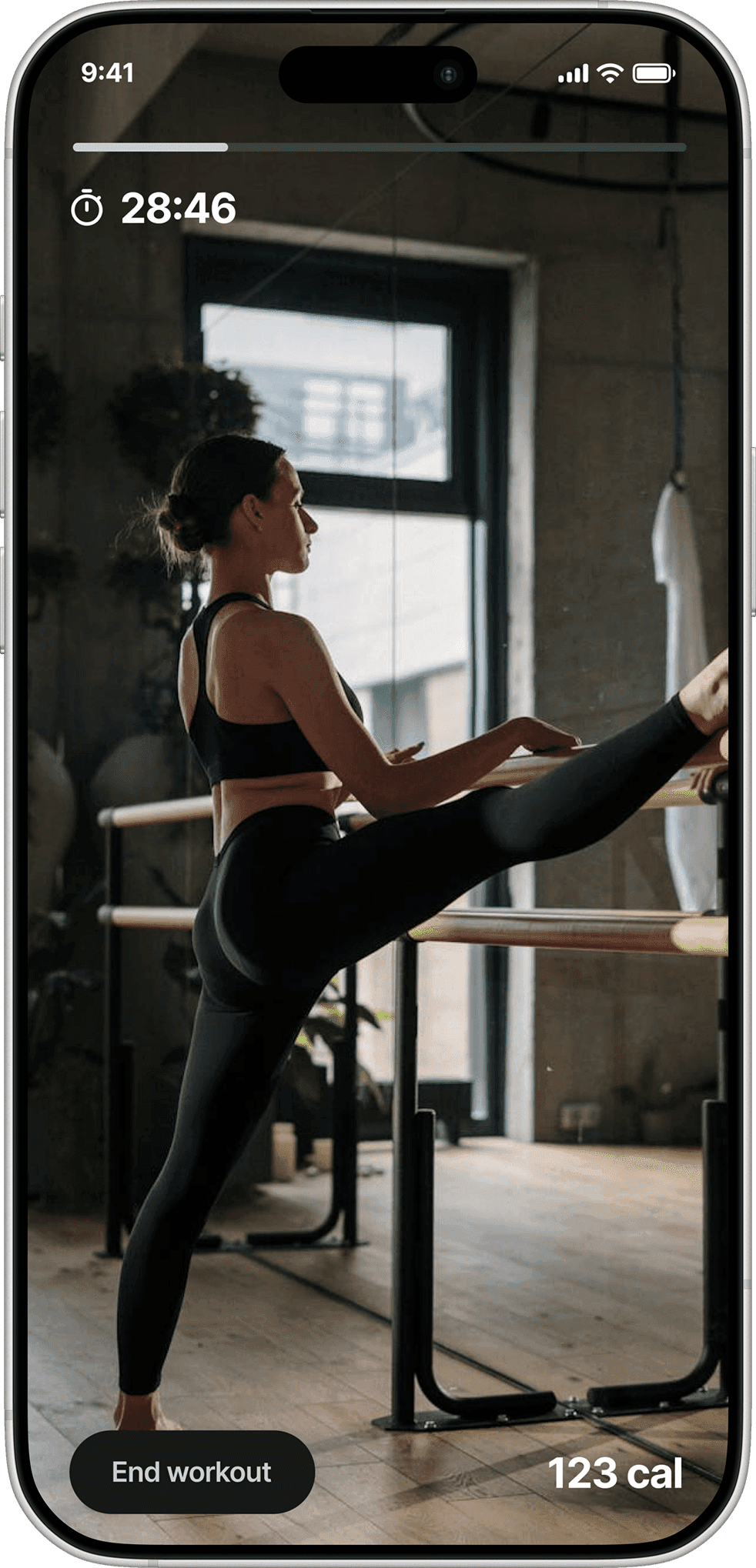
A frictionless experience.
The Process
The ups, downs, and pivots.
FlowFit’s design process wasn’t linear. Early ideas were challenged by real user behavior, and progress came from narrowing focus rather than expanding scope.
Research and discovery.
Early research revealed that users struggled most before workouts even began. While they valued having options, many hesitated during browsing and postponed starting altogether. Drop-off consistently happened during class selection and planning, not during workouts themselves. This shifted the problem from content quality to decision-making friction.
Exploration and iteration.
Usability testing & refinement.
"Once the flow was simplified, everything clicked. It was immediately clear where to start and what to do next."
Product Stakeholder
Final Designs
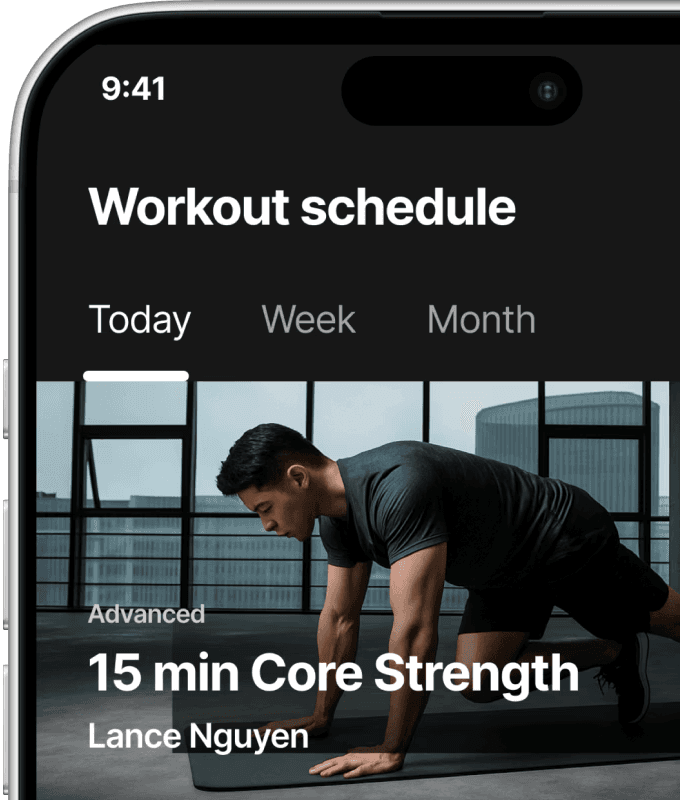
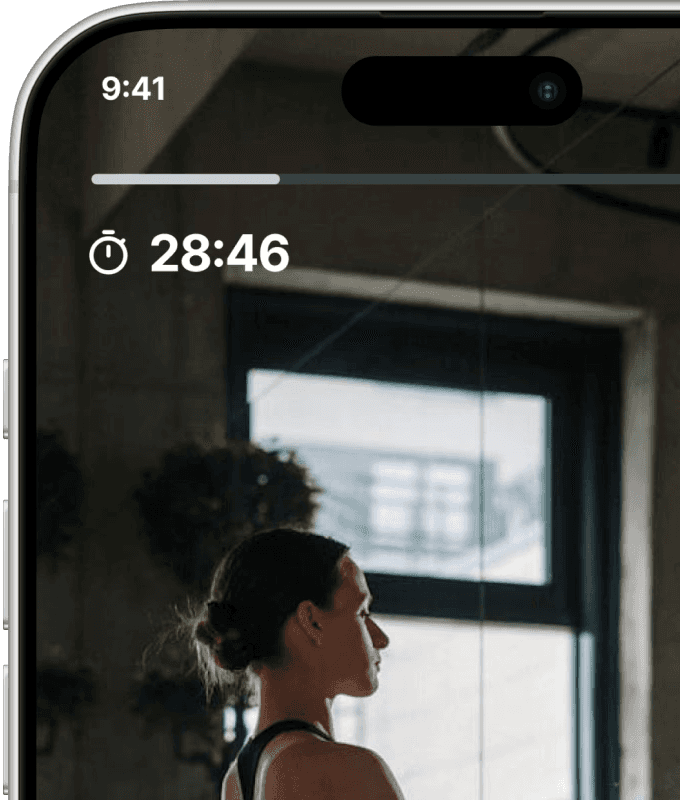
The finished product.
Lessons Learned
What shaped the outcome.
The project revealed patterns behind better outcomes, rooted less in tools or process and more in framing and communication as complexity grew.
Explaining design decisions is a superpower.
Design moved faster when decisions were framed around tradeoffs, constraints, and user impact. This clarity built trust, kept teams aligned, and turned feedback into productive discussion. It shifted conversations from opinions to outcomes.
Clean design files make life easier.
Well-organized files and consistent component patterns reduced friction during handoff and iteration. Clear naming, predictable structure, and reusable components made it easier for others to jump in and build with confidence.
Tasks Completed
Mixed Method Research
Interaction Design
Design Systems
Accessibility
Prototyping
Keep Exploring